
Hello!
This is my 5th week as an archives intern. I missed a week of blogging due to graduating on Thursday the 13th July. I am now an LJMU post-graduate! My student bubble is officially burst. That fact is scary and I’m a little sad about it, but I remain positive and excited for the future and the next chapter of my life here in Liverpool.
This week we have started properly researching material for our exhibition. That includes sourcing information related to animals spanning from 1937 when Queen Victoria begun her reign, to 1900, when she died. The information we are noting varies from the different animal acts passed in government, to art and literature incorporating animal imagery and symbolism, to the very content of our archival Victorian periodicals. Thus far, we have researched and written on the Cruelty to Animals Act of 1849, the Vivisection Act and the contrasting controversial views of Punch magazine, topical Victorian figures such as Charles Darwin and how his theories influenced religious versus scientific reasoning, the taxidermist John Hancock and the displays of The Great Exhibition held in Crystal Palace in 1851, and famous literary figures renowned for their animal tales such as Beatrix Potter, Charles Dickens, and Anna Sewell.
Due to this internship, I have been increasingly considering how much animals infiltrate knowledge, emotion and moralistic teaching, attitudes, and culture in everyday life. The Victorians were the first to bring it to the forefront! Consequently, this research has come at an interesting time in view of current society as I feel we are living in a new revolutionary period of time regarding animals. Levels of vegetarianism and veganism are rising and awareness is heightening surrounding factory farming, food safety, and ethical and environmental issues.
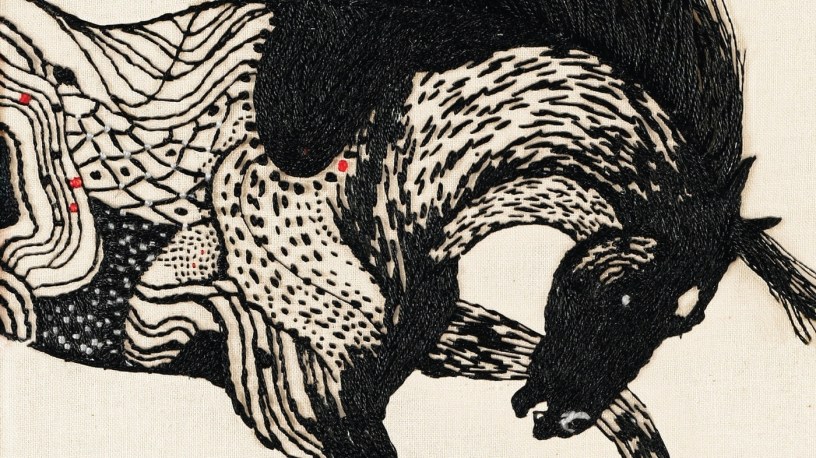
For the cultural, artistic element of this blog, this week I am going to talk about a book that was published in 1877 and became a literary manifesto on animal welfare as well as a classic tale loved by readers young and old. It is Anna Sewell’s Black Beauty. I read Black Beauty when I was about eleven years old and being the dilettante that I remain today, I developed a newfound interest in horses, blu-tacking a giant poster of the animated film “Spirit; Stallion of the Cimarron” on my bedroom wall and displaying plastic, but yet well detailed, figurines of horses on top of my book shelf. I didn’t go as far as to pester my parents to buy me a real horse and the obsession soon faded, but the significance and magic of Black Beauty has remained with me. My own copy of the book has somehow vanished over the years with moving houses etc., but coincidently, last weekend, just after Jade and I had discussed it as a point of reference for Victorian animal culture, I came across a beautiful copy in a vintage shop just off Lark Lane. It’s got a beautiful front cover and it was only £4!
Black Beauty is an autobiographical memoir of a horse’s life in the Victorian era and the highs and lows he experiences. Each chapter recounts a part of Black Beauty’s life, with an underlying moralistic teaching of kindness and understanding towards horses. It is for this reason that it is a wonderful book to read at a young age or share with children. The book was written and set during a time when horses were an invaluable part of society, yet often for strenuous activity such as war, transport, agriculture, and all sorts of other hard labour. Horses were also a symbol of wealth, with the upper-classes riding them as a statement of fashion. Though well-groomed and apparently looked after, this style of riding often used a bearing-reign. A bearing-reign pulled the horses head down towards it’s chest to create an arch. The intended appearance was stiff and proper, much like general Victorian demeanour, but it was very uncomfortable for the horse, causing pain and respiratory problems. The widespread acclaim of Black Beauty highlighted this point and led to the bearing-reigns demise.
As the book is written in first person from the perspective of the horse itself, we get a real in-depth perspective of human nature and animal suffering. In addition, reading from the point of view of the horse sublimely instils recognition that animals are creatures of feeling and emotion. It is easy to disregard animals as the subordinate, things of the Earth put here simply for our use, entertainment or consumption, but they have intelligences and capabilities in ways that humans do not and so they deserve just as much love and respect. It can be difficult to communicate that between people themselves, and that is where the magic of literature lies, specifically Sewell’s in this case. The book has pioneered better treatment of horses, softened attitudes, broadened people’s minds and encouraged a more holistic and loving approach to our animal friends.
If you’ve not already, you should definitely make Black Beauty your summer read.
Roisin
x
 LJMU Special Collections & Archives