
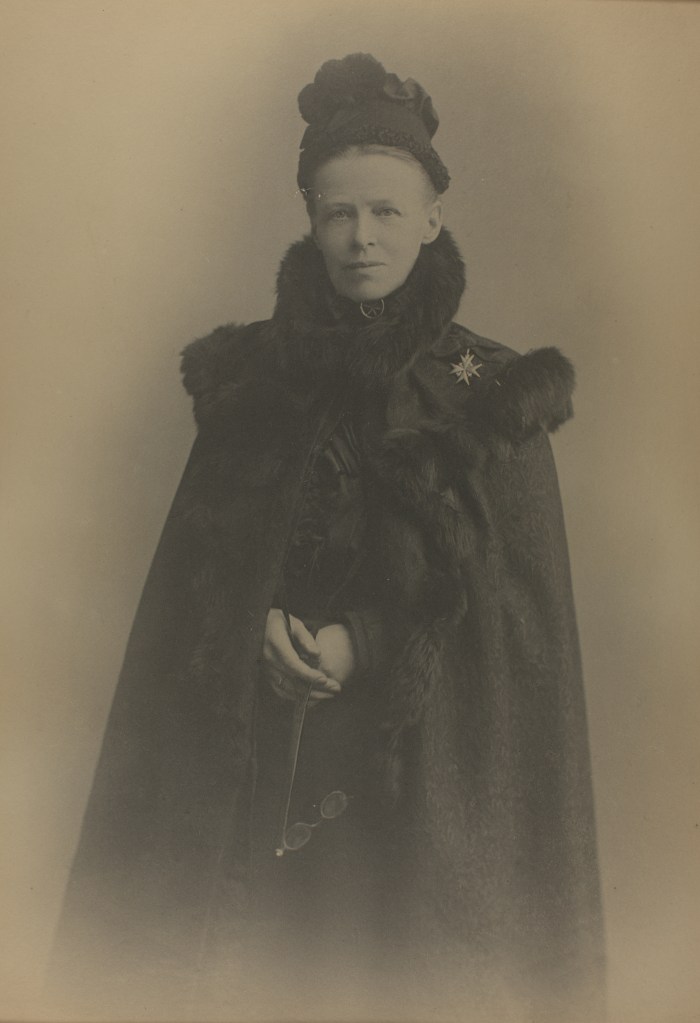
As Project Archivist for the Bicentenary of LJMU, I’ve been cataloguing the papers of the historic Colleges which make up the University we know it today. The papers of F L Calder College of Domestic Science, founded 1875 as the Liverpool Training School for Cookery by Fanny Louisa Calder and her Committee of 58 Ladies, have now been catalogued and are available to browse on our catalogue here.
The collection contains the administrative, student, faculty, and buildings history of the College from 1875 until 1976 when the College merged with I M Marsh College into the 1980s.
The College taught domestic crafts (also known as ‘housecraft’) such as Cookery, Laundry, Needlework (and other fibrecrafts), and Housewifery, which included Home Nursing. Classes were originally held in St George’s Hall but soon moved to the Colquitt Street campus c.1900. A residential building for Housewifery courses was acquired on Prince’s Road in the early 1900s, but closed at the onset of World War One in 1914.
Early Social Work
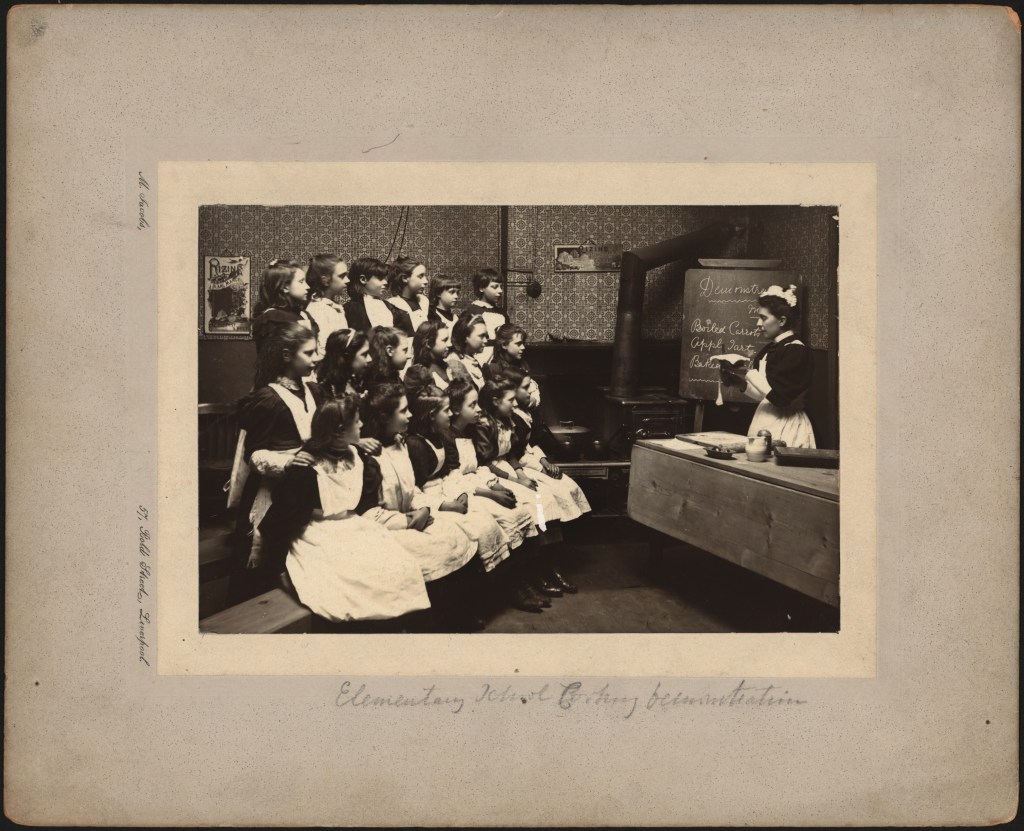
Students at the earliest iteration of the College, the Training School for Cookery, were often women from wealthier backgrounds. They trained to be educators in Cookery, among other domestic skills, with the intention of passing practical instruction onto women in poorer districts in Liverpool as a form of early social service.
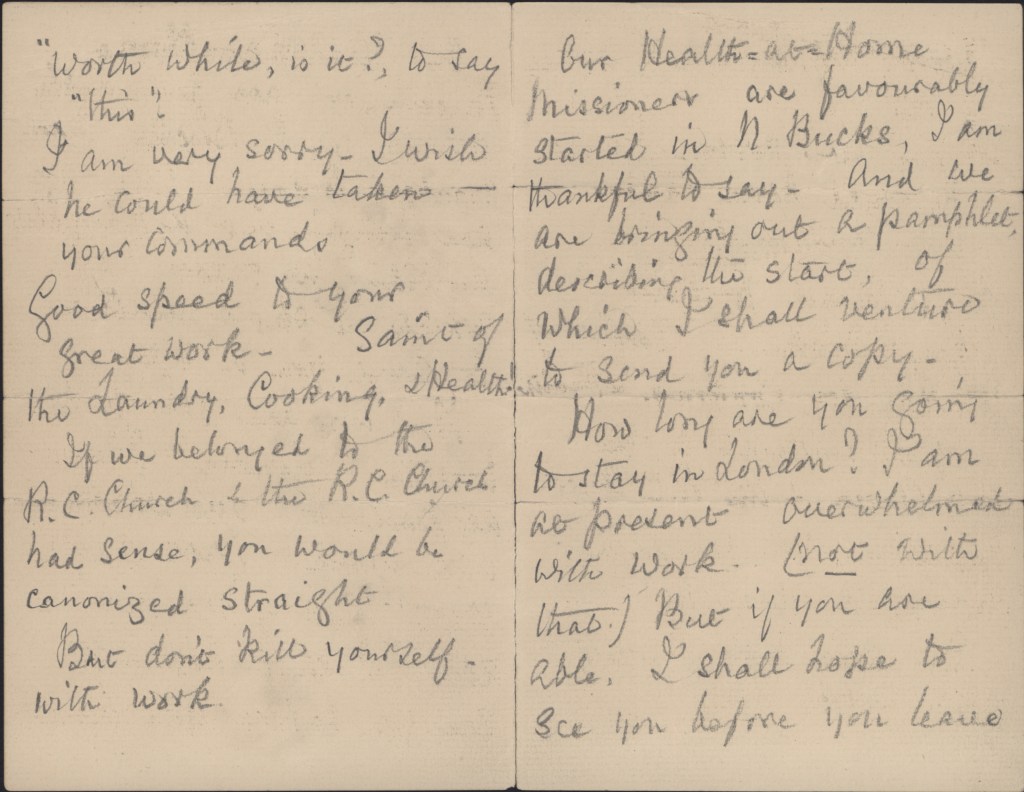
Florence Nightingale, who was influential in establishing District Nursing across Liverpool, was supportive of the School’s ambitions, and in a letter to Fanny Louisa Calder on 21 November 1892, she praised Calder as the ‘Saint of the Laundry, Cooking, & Health!’ and warning her not to ‘kill yourself with work.’ To see more of our records on the Liverpool Schools of Nursing, view the catalogue hierarchy here.
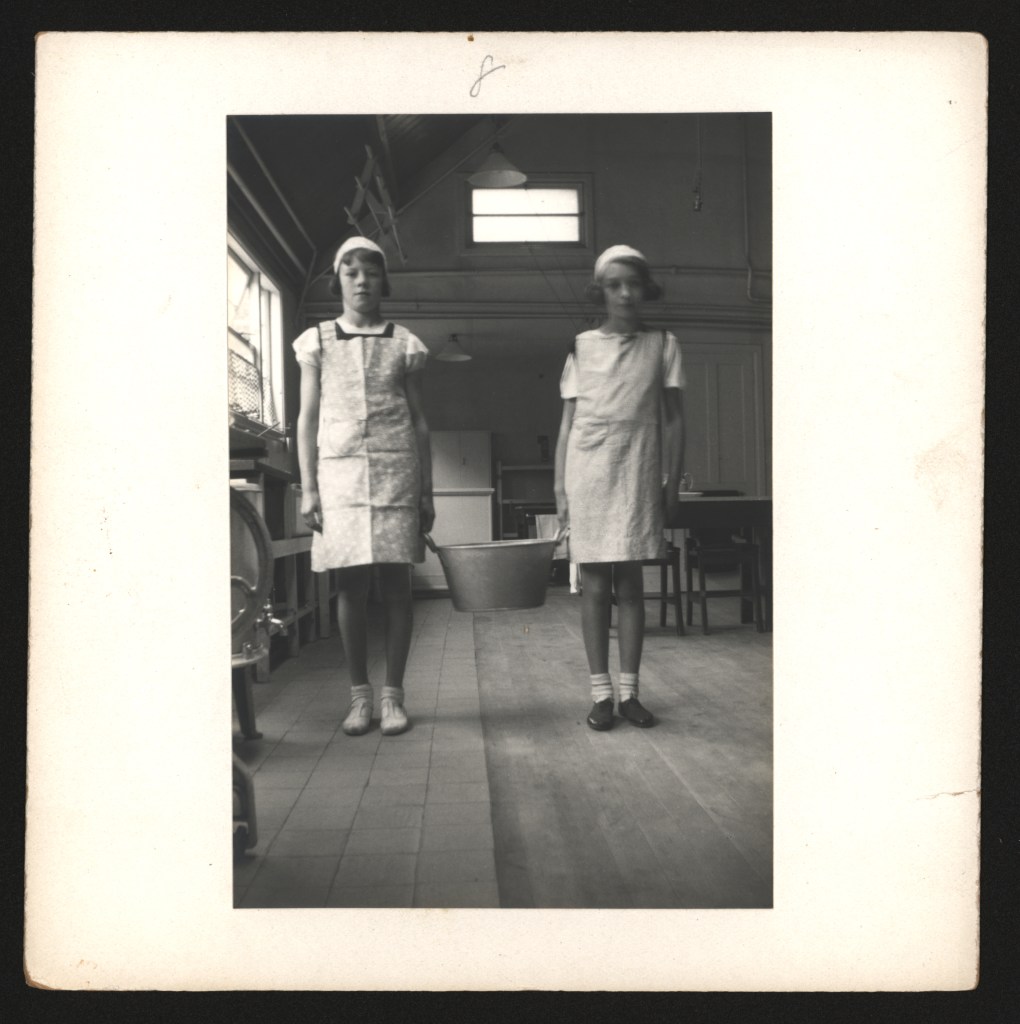
This quickly developed into courses focused on Education in Domestic Science to qualify students to become teachers, offering work placements at schools for student teachers to practice. Within the collection are not only photos of these classes from the 1890s to the 1970s, but also examples of individuals who went on to teach Domestic Science elsewhere, such as student Jane Ellen Williams whose papers include a letter of personal recommendation from Fanny Louisa Calder in 1919 testifying Williams’ skills and experience to her future employers.
Impact of War
Both of the World Wars had a marked impact on the College, with the First World War being so financially devastating that ownership of the College had to be given up to the City of Liverpool in 1920, at which point it was first renamed to F L Calder College after its retired founder.
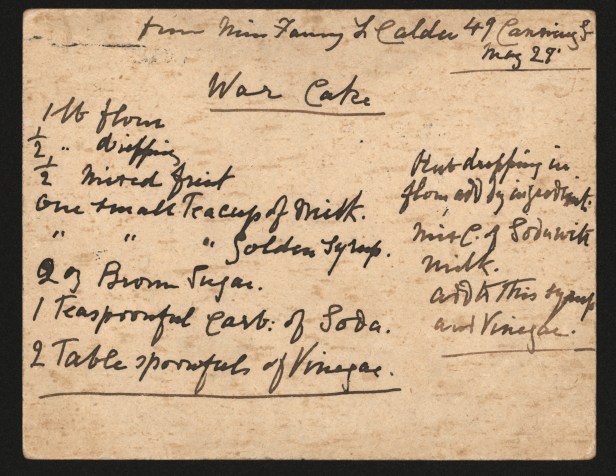
The ‘Economical War Cake’ was written by Calder as one response from the field of Domestic Science to the dramatic impact of the First World War on the British population, substituting butter with animal dripping as a cheaper fat replacement. Later recipes published by the College in the inter-war period show even more nutritional deficiencies within suggested substitutions for the working classes, such as a 1934 recipe for a ‘Poor Man’s Goose’ which replaced expensive ingredients, like meat, with more readily available ingredients like potatoes. Over ten years after the War had ended, Liverpool was still feeling the financial devastation of WW1 and the subsequent Depression, and up to a third of working age men were unemployed. A 1936 study on Poverty and Public Health by G C M’Gonigle and J Kirby estimated that ‘nearly one half of the population of England and Wales subsist, to a greater or lesser extent, below the safety line of nutrition.’
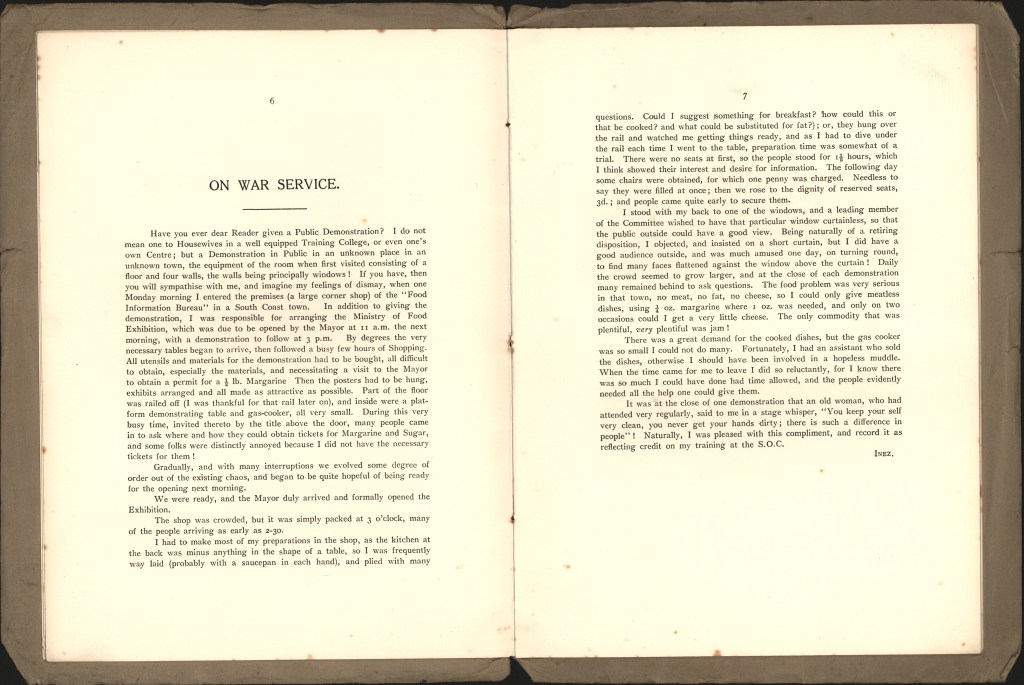
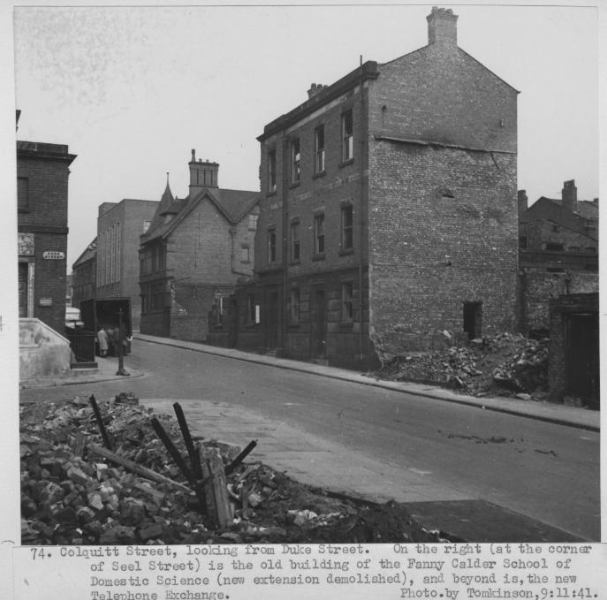
Students also responded to the onset of War for both WW1 and WW2, offering up their services on the Home Front through catering and teaching to soldiers at Home, and Abroad through the Women’s Auxiliary Army Corps (WAAC) and Women’s Auxiliary Air Force (WAAF) as soldiers and Officers to replace the men who were sent onto the ‘firing line.’ These accounts can be found throughout the Old Students Society newsletters for 1917-1918 and 1939-1945. Within these, students also wrote about the impacts of rationing on housecraft; about studying from home when their College campus on Colquitt St. was bombed; and of the loss of life of fellow students killed by enemy action during the Blitz in 1941. All of the wartime student newsletters are currently available as PDFs on our catalogue.
Principals of F L Calder College
Fanny Louisa Calder wasn’t the only woman to manage the College throughout its 101 year lifespan. Other Principals (or acting Principals) included Miss Farnall, Miss Lucas, Miss Jane Smith, Margaret C Pepper, Miss M M P Morley, M E Robertson, and F Kenworthy. Of these, Pepper, Morley, and M E Robertson made some of the most significant contributions to the education of women not only at the College, but within Liverpool and broader Education in England and Wales.
The College was heavily associated with Women’s Education Movement, including links to Liverpool women’s organisations and activist groups, and administratively linked to the Association of Teachers of Domestic Science (ATDS), later known as the National Association for Teachers of Home Economics (NATHE). ATDS published the famous Housecraft magazine, which we hold in Special Collections alongside some of ATDS’s papers within this collection. Fanny Louisa Calder, Margaret Pepper, and M E Robertson were all members of ATDS, with Pepper being Chairman 1931-1933 and editor of Housecraft, and Robertson as President of ATDS 1960-1963. Once Pepper was promoted from Vice-Principal of F L Calder College to Principal in 1925, she advocated with the City of Liverpool Local Education Authorities for a post for Principal of the City Technical School for Women to be exclusively reserved for a woman with experience educating women and girls and good knowledge of working conditions for ‘women’s occupations, industrial as well as domestic.’
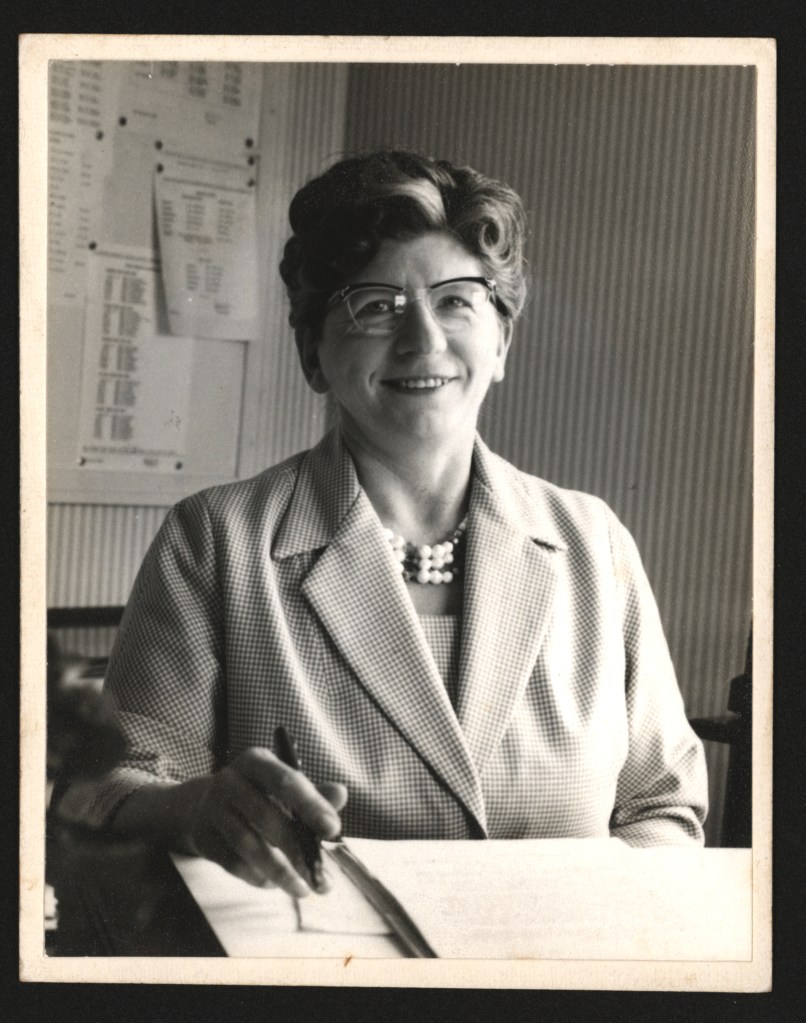
Of all of the administrative heads, M E Robertson is the person we know the most about. She ran the College from 1956 until 1972, when she died in post. We believe that many of the College’s surviving papers were used and kept by Robertson during her time in post, and were never cleared out of the campus until their transfer to I M Marsh campus in 1976, and eventually to the Archive in 2008. Thanks to her good record-keeping, and her colleagues for preserving her working documents, we have a comprehensive collection of administrative, student, and photographic records. Robertson also contributed heavily to the research for The History of F L Calder College of Domestic Science: 1875-1965 by Margaret E Scott (available within this collection). To read more about all of the Principals of the College and our records on them, visit the collection level description Administrative History section.
Photographic Evidence
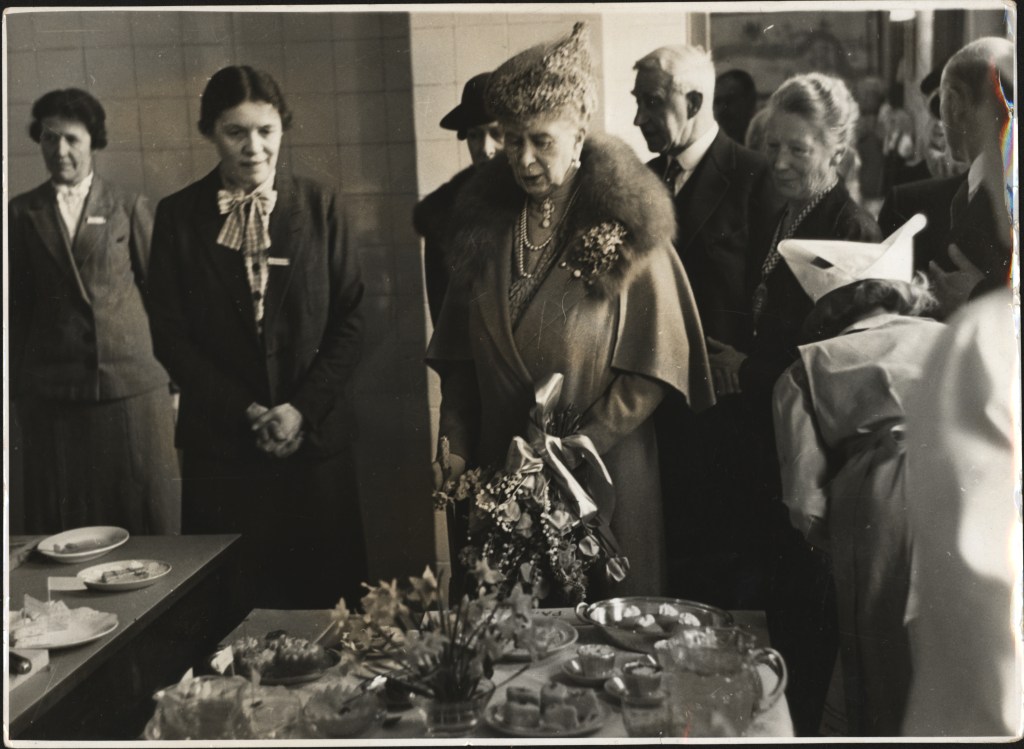
A picture tells a thousand words, and we’re very fortunate that this collection has hundreds of photos to illustrate the College’s activities and student body from c.1890-1983. From these images alone, we were able to learn about activities and events that took place, such as that Queen Mary was a patron of the College and visited c.1930-1936.
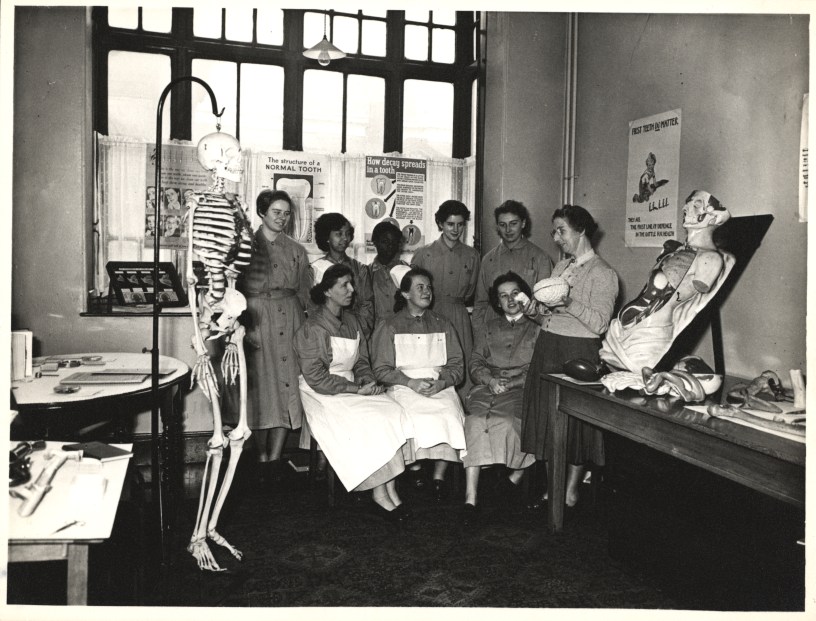
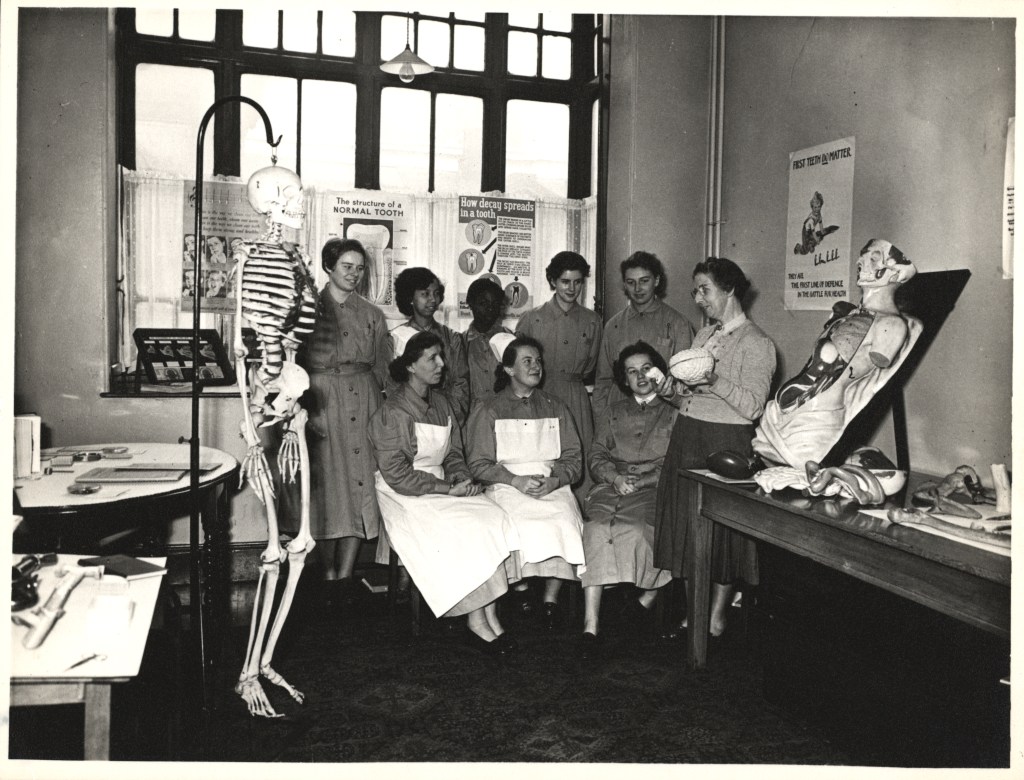
Other photographs highlight the expansion of subjects taught to women from Domestic Sciences like Cookery and Laundry Work to more traditional Sciences, such as Science & Health Education in the 1950s. F L Calder College also collaborated with St John’s Ambulance in Liverpool to offer students training in Home Nursing and First Aid as part of their studies.
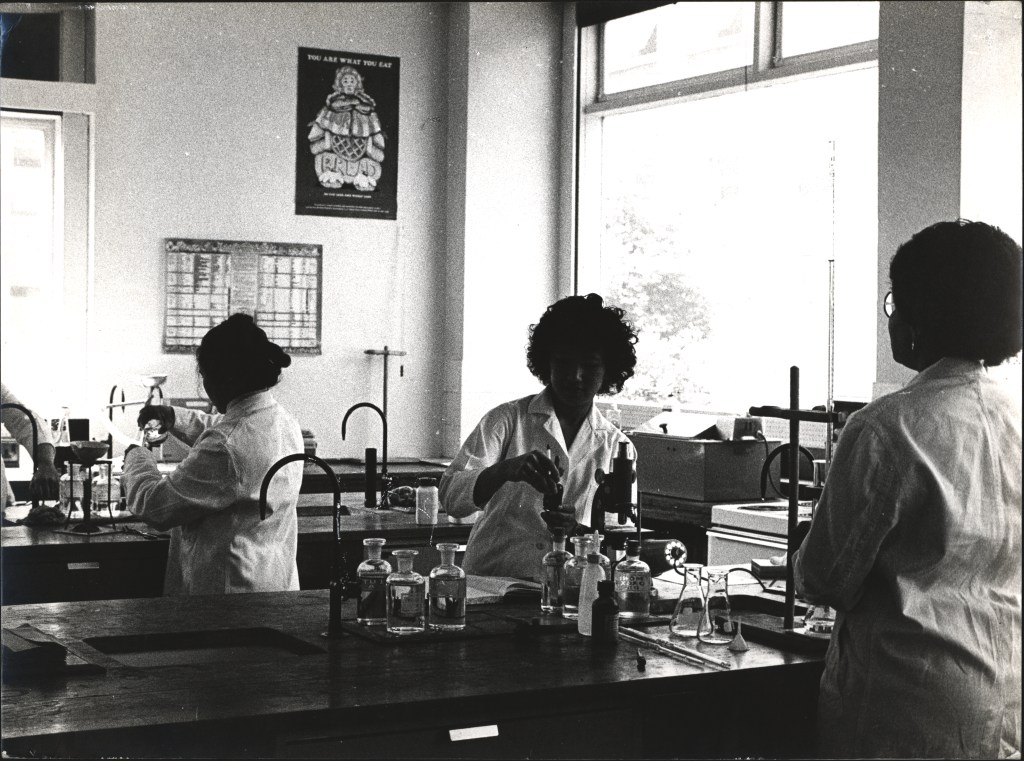
Student Diversity Post-Windrush
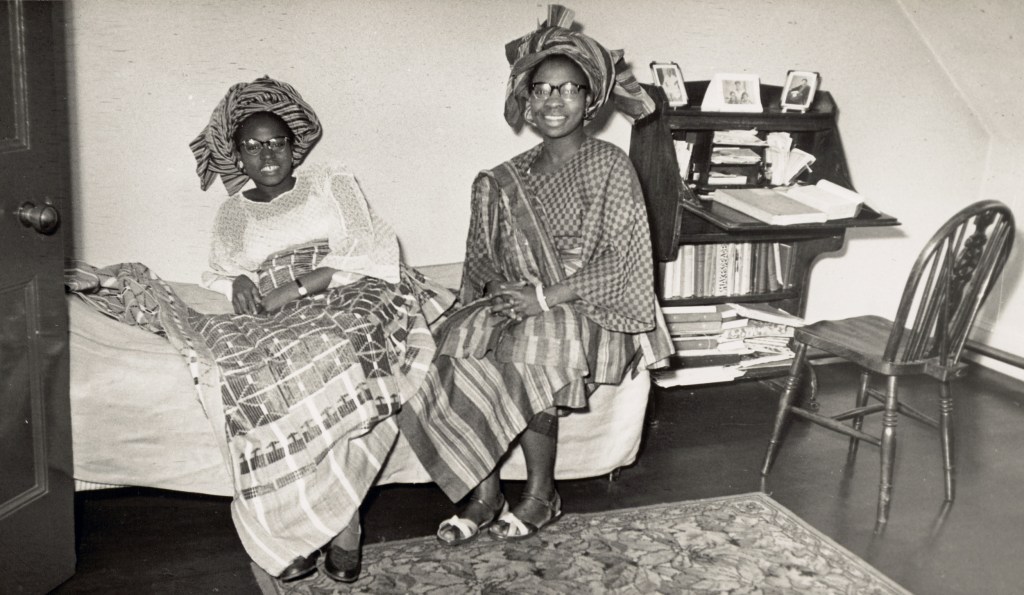
Photographs from 1948 onwards also indicate a growth in the diversity of students from different races, backgrounds, and nationalities at F L Calder College. Although we lack identifying information for most of the photographic subjects, the noticeable increase in Black and Asian women studying at the College, particularly in the 1950s, nevertheless suggests that some of these students may have migrated to Liverpool for education and future employment in Britain as part of what is now known as the Windrush generation, following the HMT Empire Windrush’s arrival 75 years ago.
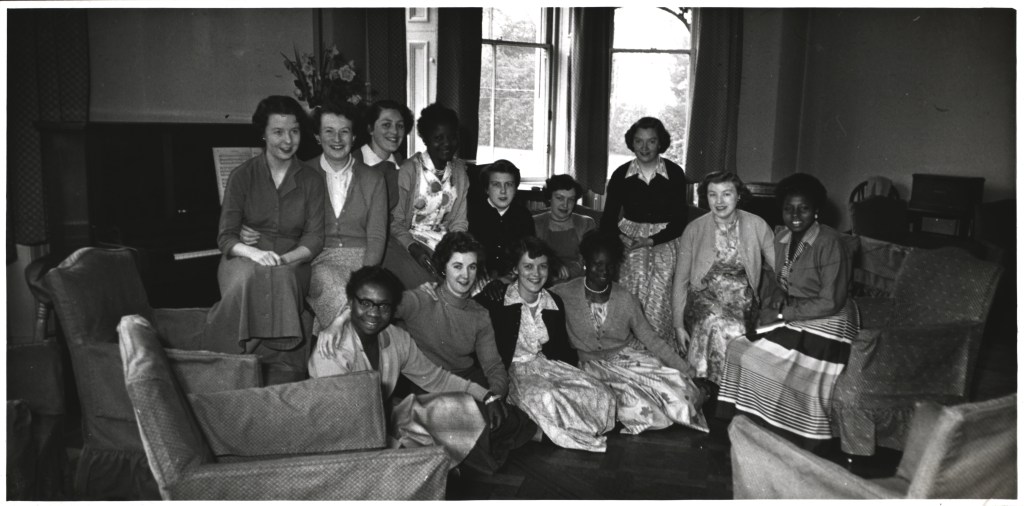
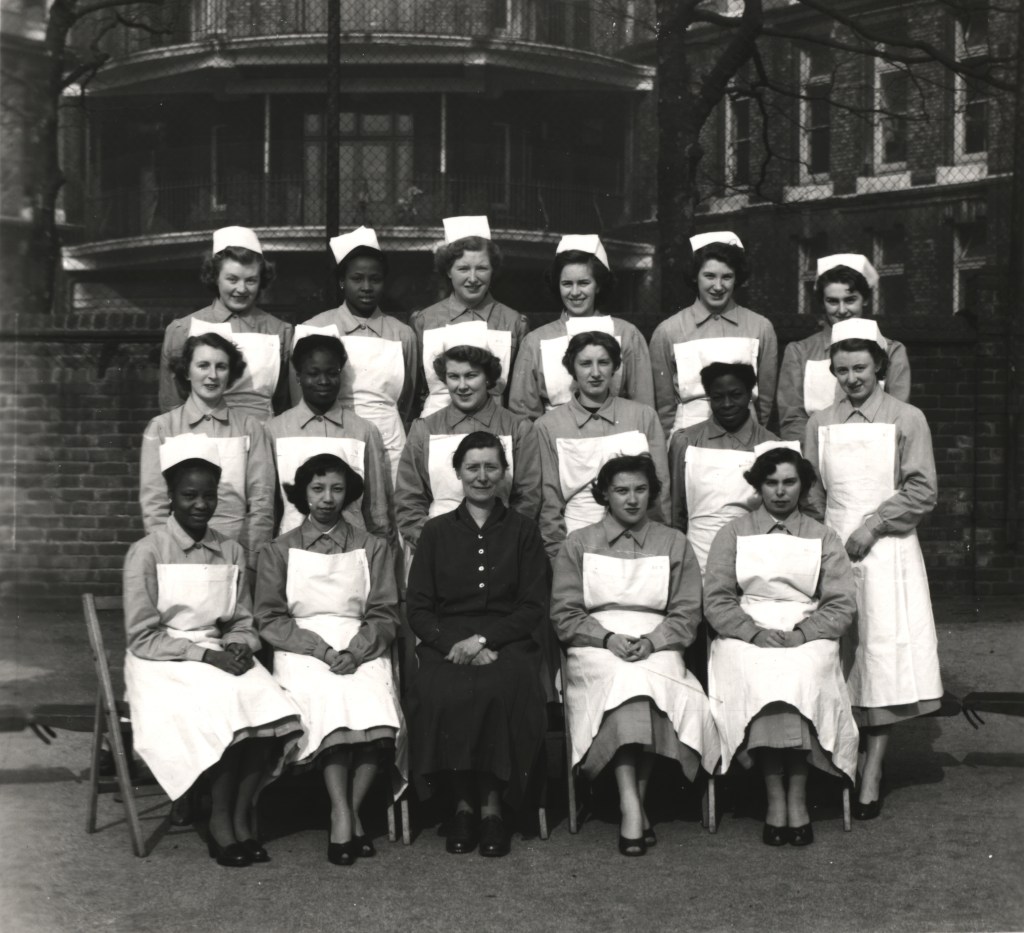
This is consistent with other records catalogued as part of the LJMU History collections, such as the Schools of Nursing student registers, which usually listed a students’ home address. Although no quantitative research has yet been conducted into this to provide exact numbers, anecdotally from working with the collection, a very significant number of students from the 1950s onwards had home addresses listed as being outside the UK – in most cases Ireland and countries in East Africa, evidencing migration to Liverpool for education. Sadly this data is not recorded in most student records within the F L Calder College registers, which leads us to infer similar information from the photographic evidence available. Visit the catalogue to browse the Schools of Nursing collection.
Garments and Textiles
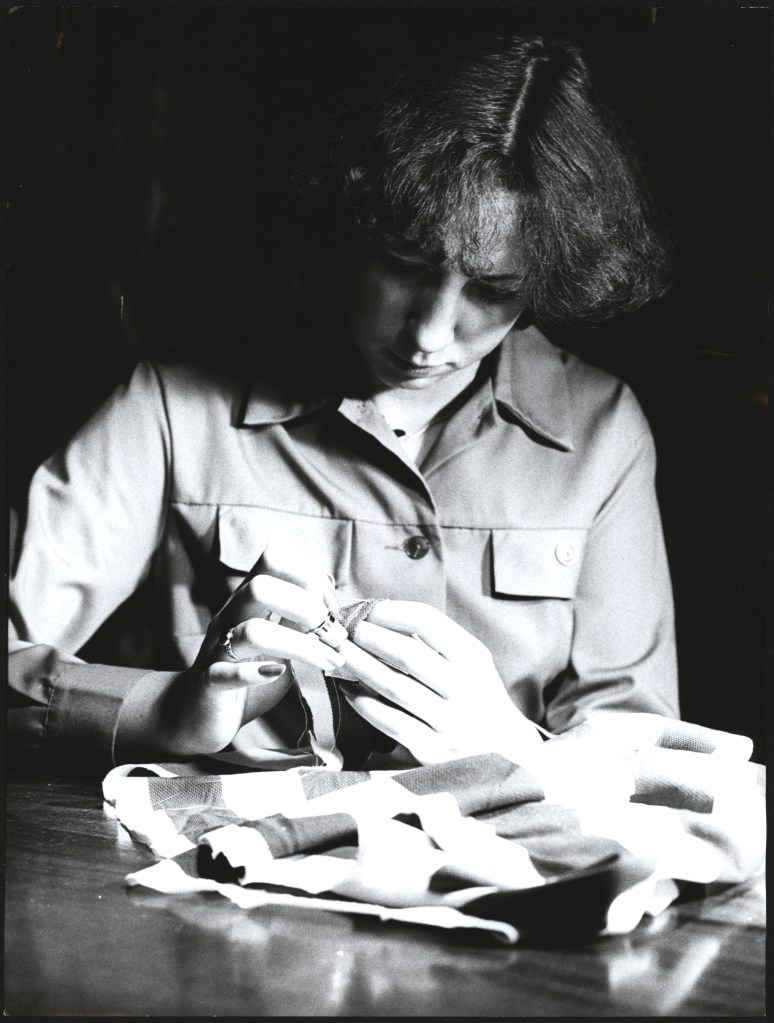
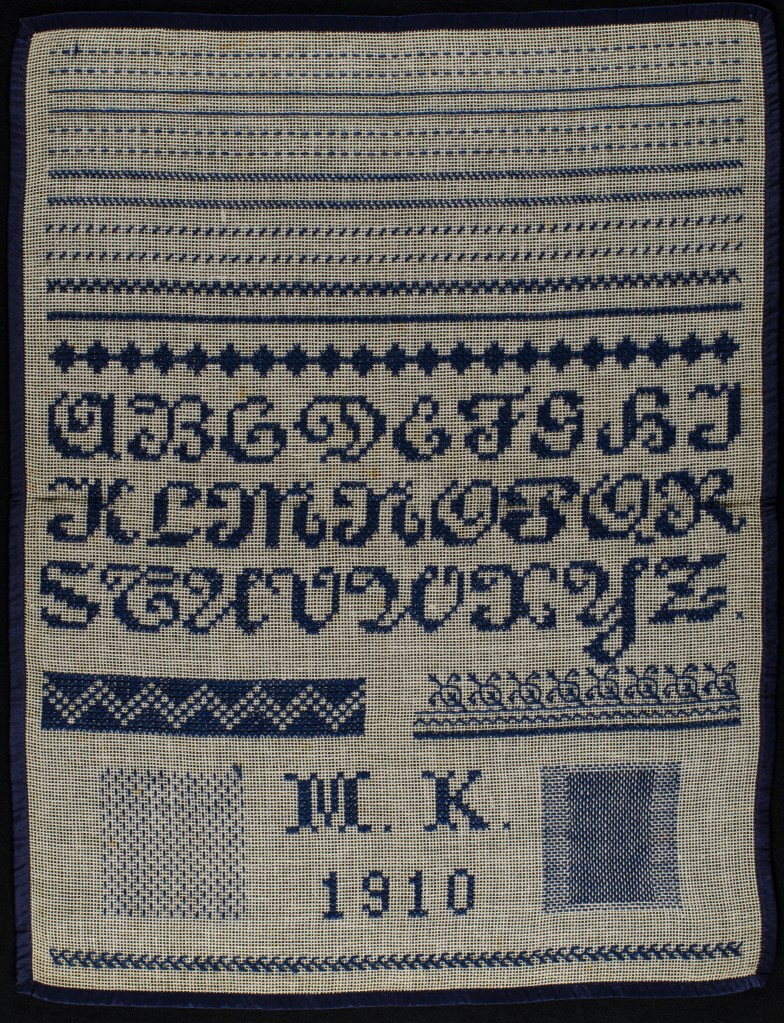
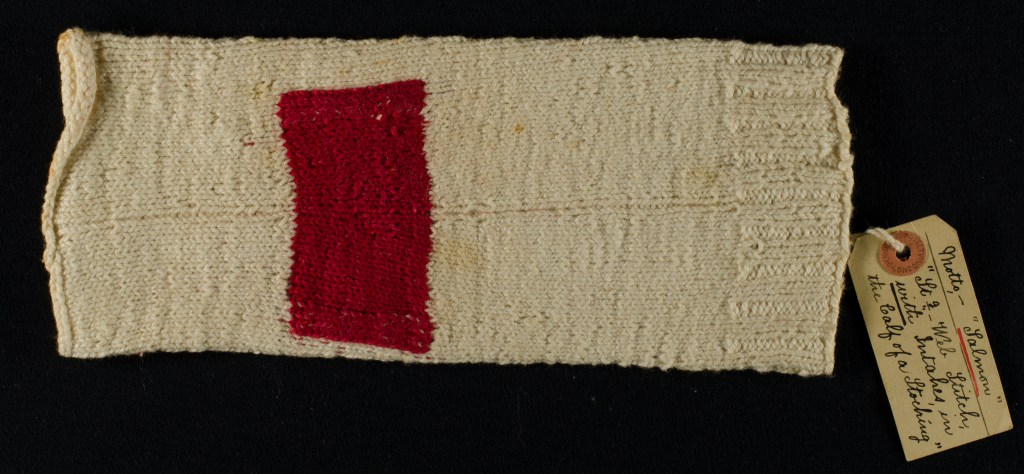
As part of the Needlework and Dressmaking courses offered at F L Calder College, students would be taught skills in sewing, pattern-making, quilting, embroidering, lace, applique, knitting, and more. As part of their assessments and examinations, students would be required to then demonstrate their mastery of this wide range of skills.
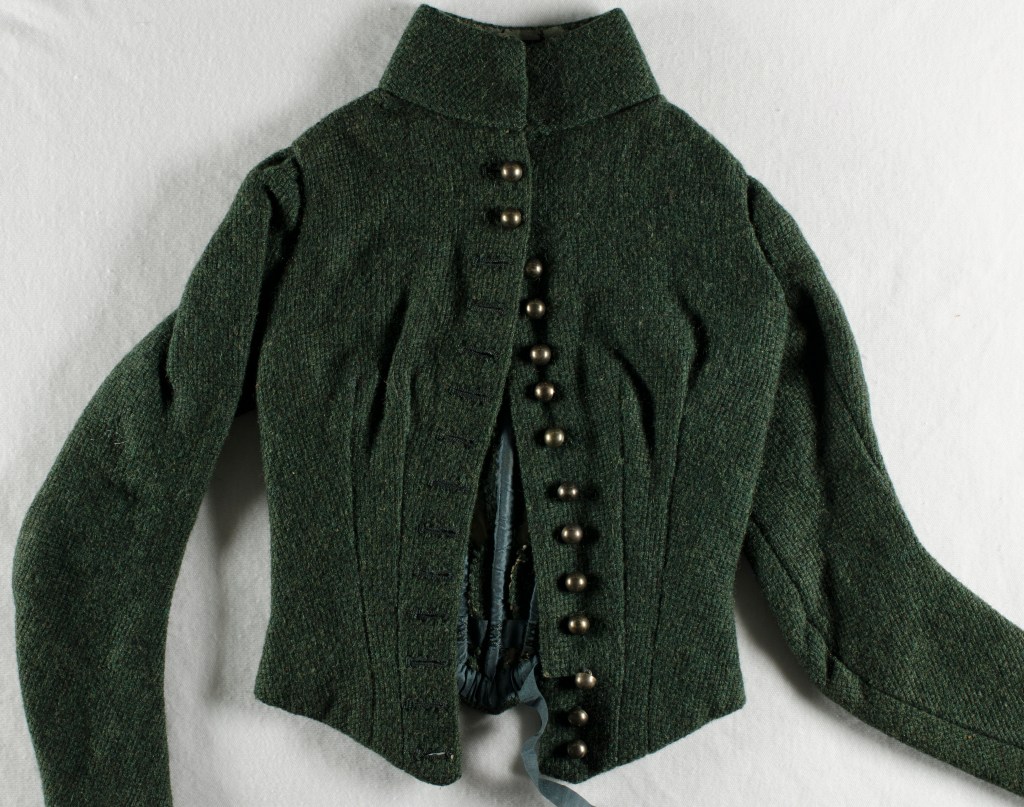
Subsequently, this collection boasts a large number of sample garments and textiles produced by students across a wide date range, demonstrating the wide range of skills they were developing within their studies. Alongside some stunning full length garments, of particular interest is the adult-size garments which were made in miniature, such as an adult man’s jacket complete with boning. These would have evidenced their ability to construct a garment whilst using less time and resources.
Some of these textiles were also possibly made by teachers, such as Miss M M P Morley, Vice-Principal of F L Calder College 1939-1956, whose name appears in some of the surviving samplers in this collection.
Future of the Collection
Although over 370 images, and 22 PDFs of archival documents have been digitised for publication on the online catalogue, there is still much more to be added by myself and our wonderful volunteers over the year. We are especially keen to digitise and re-digitise the textiles and garments, and are currently investigating our options for conservation before beginning a substantial photography project to make this amazing material even more accessible.
So far the papers have been used extensively within promotional and outreach activities as part of the Bicentenary celebrations, such as to produce reproduction recipe cards for the Student at the Heart conference 2023, and within the ongoing 200 Words, 200 Years project to get 200 participants to write 200 words inspired by 200 years worth of archived history at LJMU.
To access the collection, browse the hierarchy on our catalogue here and request to view in person by making an appointment via emailing us at archives@ljmu.ac.uk
Christopher Olive, Bicentenary Project Archivist 2023
 LJMU Special Collections & Archives