
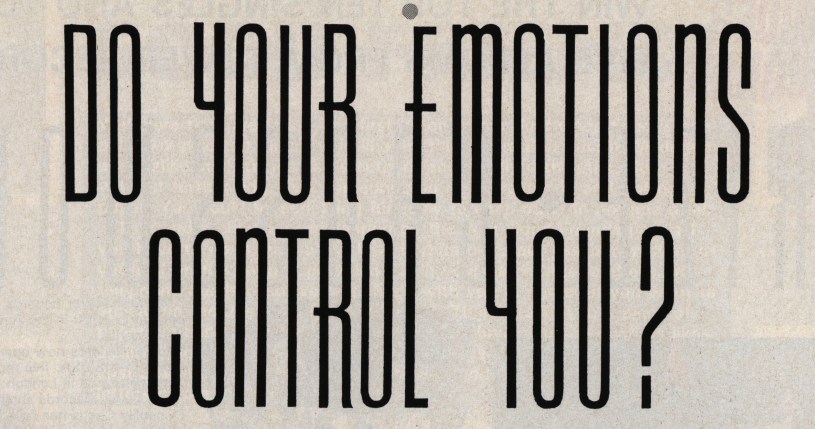
Whether you’re happy, sad, angry, or surprised, these universal experiences significantly affect our physical and mental wellbeing. This blog post by one of our interns explores emotions as represented within the 1970s and 1980s magazines Jackie and Just Seventeen in our Femorabilia collection. Click here to see more from our interns on their project, and here to view details of their physical exhibition.
What are Emotions?
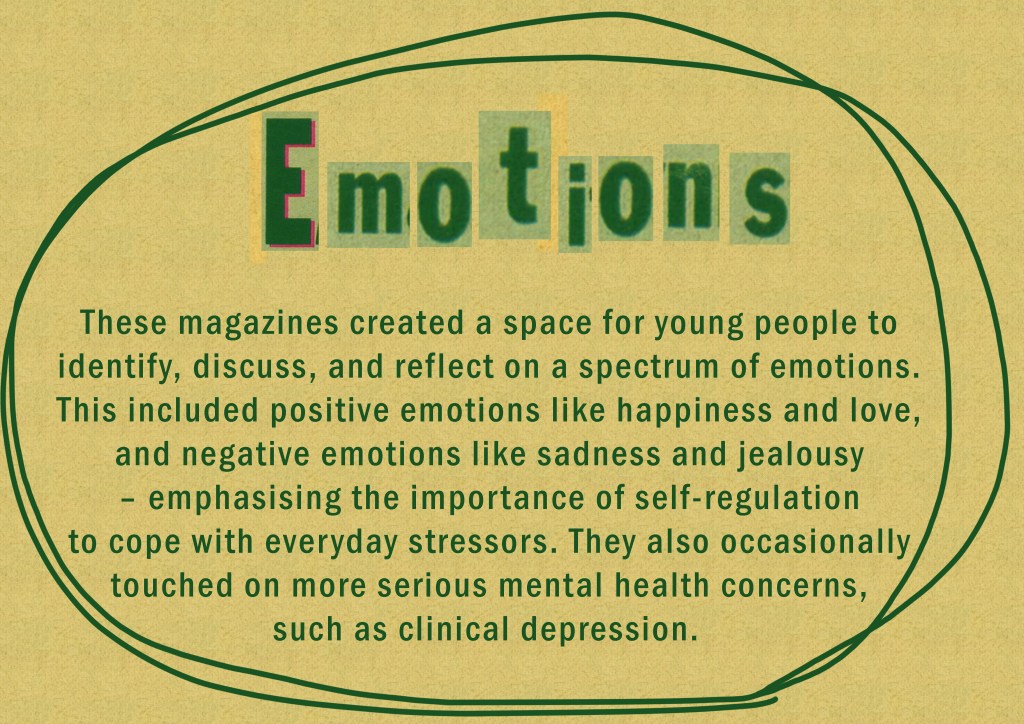
Emotions are described by the American Psychological Association as a conscious mental reaction towards subjective experiences accompanied by physiological or behavioural changes in the body. Simple yet profoundly impactful, the topic of ‘emotion’ is often less touched upon, with research lagging behind its significance. Surprisingly, popular magazines with teenage target audiences like Jackie and Just Seventeen addressed the importance of emotions in their later publications from the 1980s.
Emotions as Self-Regulation

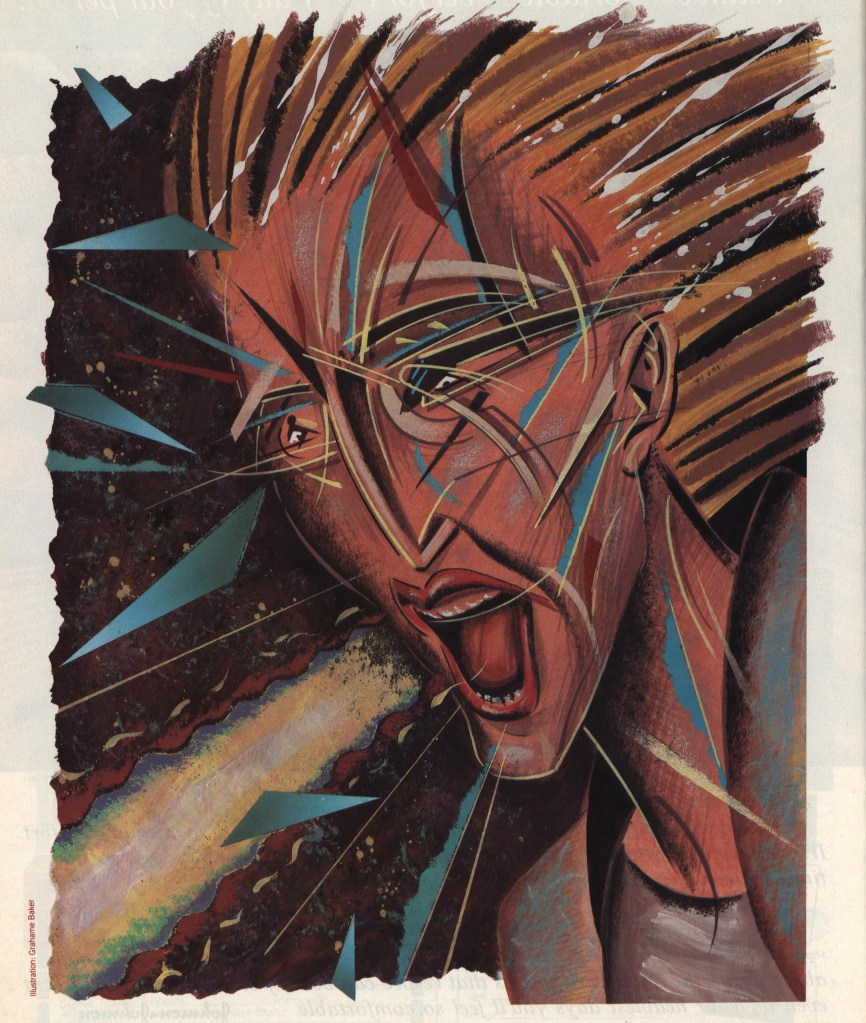
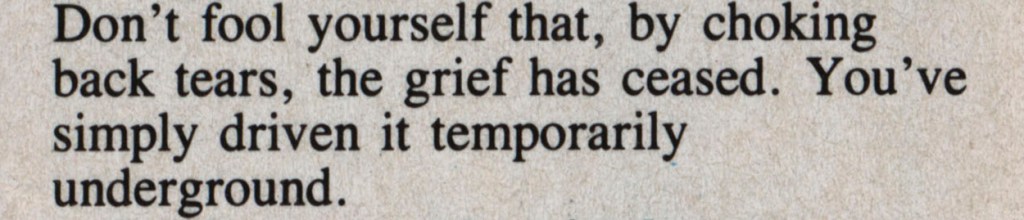
This article is one example of those which delve into the critical role of expressing emotions as a self-regulatory tool for coping with emotions such as grief, encouraging their younger readers to express and allow their emotions to flow but not let them be the steering wheel of their car.
Briefly touching upon men’s health, this magazine also underscores crying as healthy and necessary, and vulnerability as a helping factor to foster closer connection with others. The editors encourage young men to self-express consistently across publications, as bottling it up could lead to negative physical and psychological stress.
Beat the Green Fiend: Jealousy!
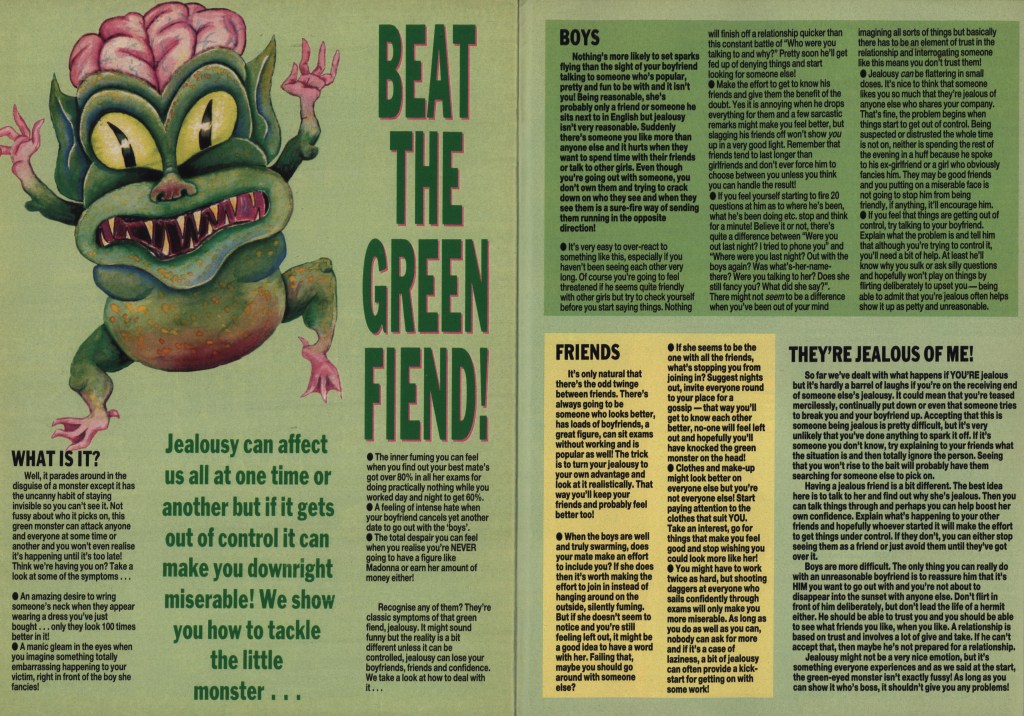

This green Hallowe’en edition of Jackie, published Oct 1990, featured the ‘green fiend’ as a manifestation of jealousy and how to manage it. This satirical interpretation may have helped users navigate their feeling without the guilt or embarrassment, and provided practical advice on how to ‘tackle’ it including having a conversation with the people you feel jealous of or about, and reframing jealousy as a tool for self-improvement.
The authors also provide a list of situations in which they imagine their teenage readers might feel jealous, including ‘[t]he total despair you can feel when you realise you’re NEVER going to have a figure like Madonna or earn her amount of money either!’
Helping Teen Readers Navigate Emotions
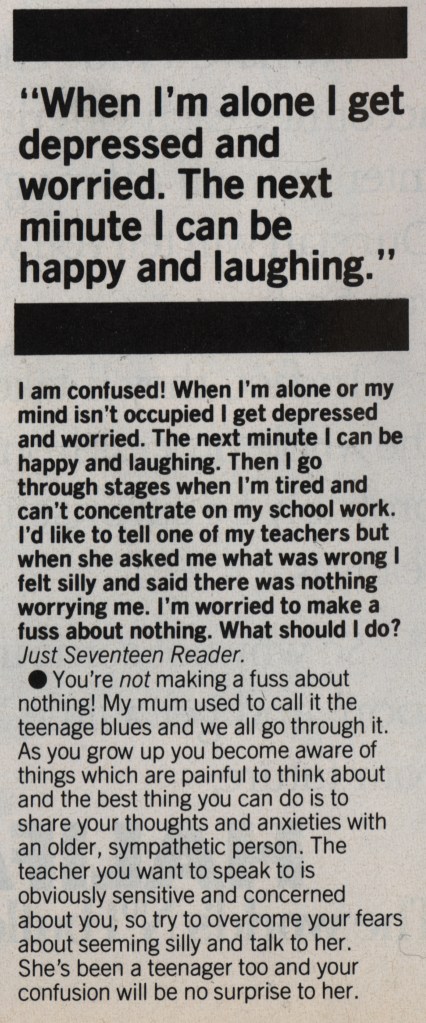
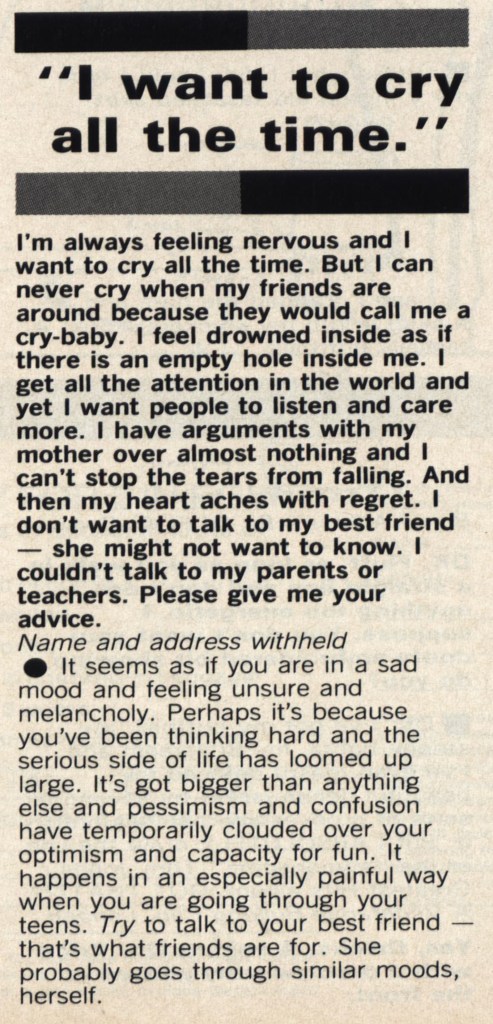
Jackie and Just Seventeen may have helped young people of the 1970s-1990s navigate their feelings and promote self-regulation through validating readers’ emotions in addition to helping re-direct intense feelings in a healthy way.
Editors also regularly responded directly to submissions from readers in their advice columns. Although they were generally supportive towards readers’ mental health, it’s important to remember that the editors always have the final word in these articles and it can be difficult to determine the actual impact of any article or given piece of advice. At the very least, these magazines were another space where teenagers could express themselves to a supportive adult anonymously.
Are Emotions Really That Important?
Yes, absolutely! Recent studies such as those conducted by Menefee et al. (2022) reveal that emotional dysregulation is a transdiagnostic symptom of several mental health conditions, including anxiety, depression, and eating disorders, as well as potentially derailing attempts to adopt health-promoting behaviours. Another study published in the International Journal of Environmental Research and Public Health in 2023 by Kadovic highlighted that levels of stress experienced in the workplace were significantly reduced when participants had a higher capacity to emotionally regulate.
Although more research is always needed, learning and processing how to regulate our emotions in response to external and internal stressors could improve our quality of life, and help reduce symptoms of anxiety and stress.
So next time you feel overwhelmed, and start blaming yourself for being ‘sensitive,’ remember that expressing and acknowledging your emotions might be helping you to navigate life’s challenge more effectively. It’s okay to let yourself feel those emotions – after all, it is an essential part of being human.
Rebisha Singh, Femorabilia Intern 2024
 LJMU Special Collections & Archives
This is so interesting. While we’re slowly losing our reference of past behind inaccessible walls, approaches like these, that bring ideas and draw parallel to current time is so nice. It’s lovely to see how we’ve always been the same humans and it does a lot to normalize our emotions even now 🫶🏼
LikeLiked by 1 person
I was a teenager during the ’70s and I too suffered depression and anxiety problems due to many reasons. Emotions made matters worse coming in waves after waves. Didn’t even know what to do with them. I just thought it was the normal thing which happened to everyone. Since magazines were out of reach for us and psychological counseling was not available we just had to let time heal us. Only much later I found that meditation was the medicine which actually helps to control the mind. It should be included in every school curriculum.
LikeLiked by 1 person
What an insightful analysis of how emotions have been handled in teen magazines over the years! Understanding emotions from a young age is crucial for self-awareness and mental health. If I had these things then, it could have made a huge difference in how I navigate and express my emotions and challenges as a teenager, maybe even now. Looking forward to seeing more blogs!
LikeLiked by 2 people